Finding coffee off the main street
Melbourne coffee culture relies on absolute discretion, meaning the finest espresso does not advertise itself with flashing signage or expansive footpath dining. Instead, the city hides its most dedicated roasters down narrow bluestone alleyways and inside converted loading docks. Finding a superior flat white requires ignoring the busy main roads and trusting the subtle hum of morning foot traffic.
According to Soumya Gayatri of BW Travel, nearly 95 per cent of cafes in Melbourne operate independently, shunning multinational chains in favour of local ownership. This fierce independence allows small operators to focus purely on extraction precision and sourcing single-origin beans.
Owners treat the architecture of these spaces with as much consideration as the coffee itself. The Sitchu Team highlights Palace Coffee, situated down a laneway off Little Collins Street, which was recognised by the Eat Drink Design Awards for its striking oxide-red steel entryway. Such venues prove that a minimal footprint can still offer significant aesthetic value.
The stand-up coffee tradition
The true laneway espresso bar rarely offers soft seating or extensive brunch menus. Space remains an absolute premium, meaning standing room is the default setting. This layout encourages quick, purposeful visits where patrons chat with the barista, consume their beverage, and continue with their day.
Patricia Coffee Brewers embraces this standing-room philosophy perfectly. Writing for DanielFoodDiary.com, Daniel Ang notes that patrons at the Little Bourke Street venue happily lean against walls or perch on milk crates in pursuit of a flawless morning brew. The absence of large tables creates an egalitarian environment where corporate lawyers stand shoulder to shoulder with local creatives.
Decoding the quality markers
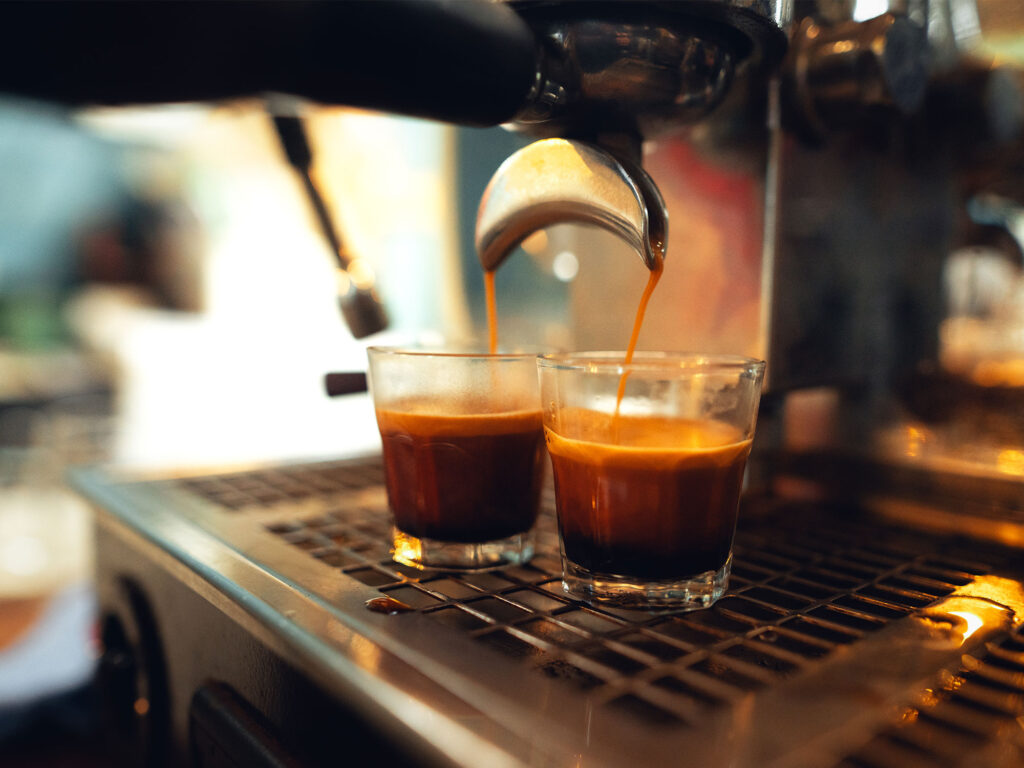
Navigating the grid to find a superior caffeine fix involves looking for distinct visual cues. A queue spilling out of an unmarked doorway serves as the most reliable indicator of quality, while an uncluttered benchtop featuring a high-end commercial espresso machine signals serious intent. Many top-tier bars also rotate their coffee suppliers, featuring beans from local micro-roasters to highlight different seasonal harvests.
Purchasing beans to take home represents another common practice, with a 250 g bag of freshly roasted beans typically costing between 20 dollars and 30 dollars. Baristas are always happy to adjust the grind size to suit domestic equipment. Ultimately, locating a quality cup requires a willingness to explore the unmarked corners of the city, rewarding those who appreciate dedicated local craftsmanship.