
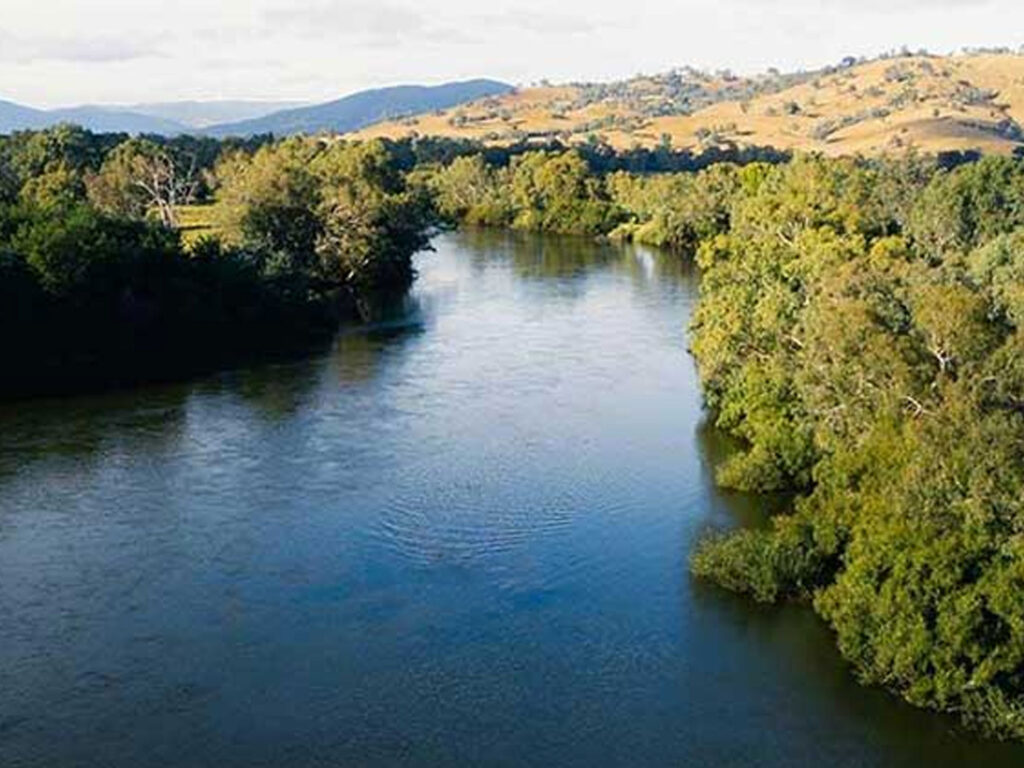
The Murray River cuts a massive path through the Australian landscape, shaping the ecosystems and communities along the border of Victoria and New South Wales. For decades, the conversation surrounding this vital watercourse has often pitted agricultural demands against ecological survival. Dedicated wetland ecologists are stepping into the role of environmental guardians, working directly with local farmers to restore the health of the river system.
These scientists spend their days navigating vast agricultural properties, assessing soil conditions, and monitoring water flows. They are the river whisperers of the modern era. Instead of viewing farming as a barrier to conservation, they actively seek out the middle ground, proving that food production and biodiversity protection can happen simultaneously.
A new approach to conservation
According to conservation consultancy Murray Wildlife, working alongside landholders is the essential key to unlocking the ecological potential of private properties. By collaborating with farmers across more than 900 properties, ecologists help replicate the natural wetting and drying cycles of the river. They strategically direct environmental water into parched wetlands and agricultural channels, creating temporary sanctuaries for vulnerable wildlife.
The Australian climate routinely delivers a punishing cycle of deep droughts and sudden floods, placing immense pressure on native species. Navigating these extremes requires careful planning and a deep understanding of the local ecology. The guardians of the Murray River must constantly adapt their strategies to ensure water reaches the most critical habitats during dry periods.
Breathing life into the floodplains
The results of this shared stewardship are immediate and profound. When water returns to the floodplains, the landscape responds almost instantly with rapid native flora regeneration. Endangered species, such as the Australasian bittern and the freshwater Murray hardyhead fish, quickly find vital refuge in these newly inundated areas.
Farmers witness the tangible benefits of this collaborative approach firsthand. Healthy wetlands improve the surrounding soil profile, manage local salinity levels, and support a much more resilient environment. Reports from The Nature Conservancy indicate that restoring environmental flows helps conserve sites of high ecological value while supporting broader landscape biodiversity.
Building a resilient future
Consequently, many landholders have evolved into passionate advocates for the native wildlife that shares their properties. They regularly track bird sightings, monitor seasonal breeding grounds, and willingly adjust their land management practices to support the local ecosystem. This cooperative model represents a fundamental shift in how regional waterways are managed.
The approach relies heavily on the practical knowledge of local farmers combined with the rigorous scientific understanding of environmental experts. Public and private agencies regularly direct millions of dollars in environmental funding toward these cooperative land initiatives. Together, these guardians ensure that the river continues to sustain both rural communities and the intricate web of life that depends on its waters.