Coastal and regional communities often view the colder months as a period of hibernation. On the Mornington Peninsula, the shift from summer crowds to quiet winter nights presents an ongoing challenge for local hospitality.
Yet, looking across the Bass Strait provides a masterclass in seasonal adaptation. Hobart has completely altered its nighttime economy by celebrating the cold rather than hiding from it.
The catalyst for this shift is Dark Mofo, an arts and culture festival that turns the darkest days of the year into a major economic driver. Instead of offering an escape from the winter chill, the event leans heavily into the dark atmosphere. The resulting cultural shift has turned a traditionally quiet winter capital into an active nocturnal destination.
The power of nighttime activation
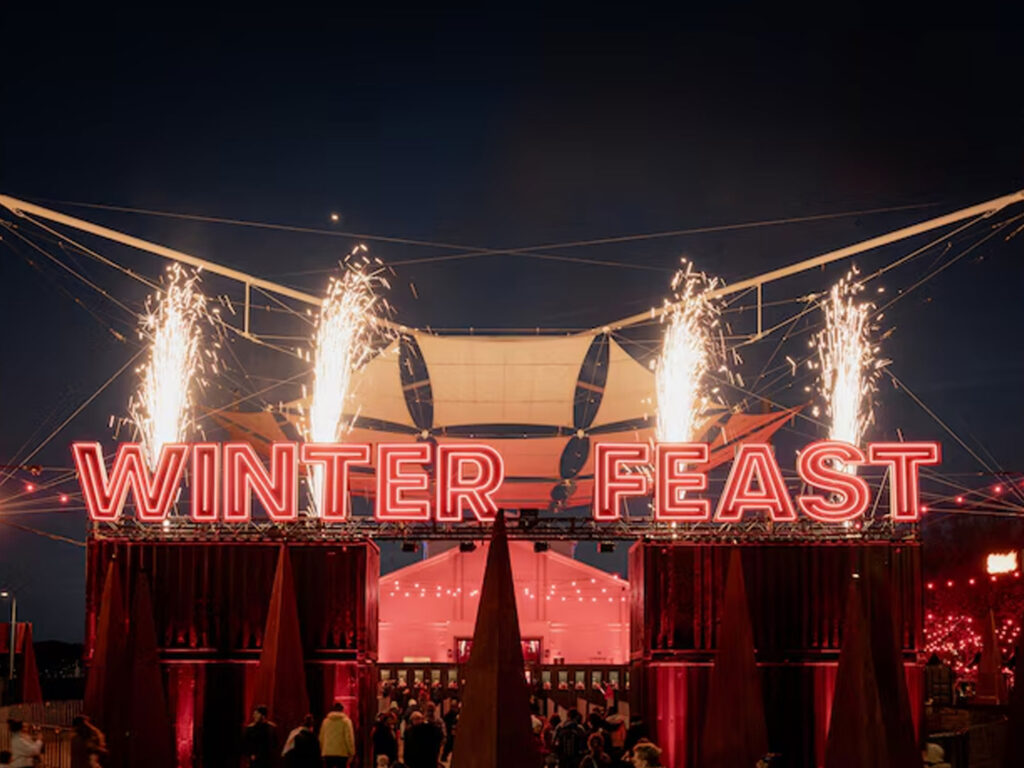
The success of this approach relies on total community integration. According to Brigid Delaney of The Guardian, few events manage to alter an entire urban landscape quite like the Hobart winter festival. Delaney notes that the distinctive red lighting creeps up the hills and into the suburbs, bathing the streets in a deliberate glow.
This atmospheric change signals to residents and visitors that the city remains open for business long after sunset. Hospitality venues have enthusiastically embraced this extended trading culture to capture new audiences.
Official communications from the City of Hobart report a surge in late night culinary offerings specifically designed to support nocturnal crowds. Local institutions adapt their regular hours and menus for the occasion, with renowned venues like Fico serving midnight pasta and Bar Wa Izakaya offering midnight ramen. These targeted activations create essential revenue streams during a historically slow period.
A blueprint for coastal communities
This economic evolution offers a practical template for regions like the Mornington Peninsula. Steph Harmon of The Guardian highlights that such cultural programming is not just for tourists, noting it becomes deeply important for the local community itself.
When independent businesses coordinate to offer late night dining, outdoor fire pits, and unique winter rituals, they build a robust nighttime culture that locals actively support. Creating a successful winter economy requires moving beyond standard daylight operations.
By establishing distinctive after dark hospitality experiences, regional venues can attract dedicated patrons regardless of the dropping temperatures. Coordination among local restaurants, bars, and public spaces creates a compelling reason for people to leave their homes.
Embracing the winter shadows offers a proven path to revitalising a local hospitality sector. When communities stop waiting for the summer sun and start celebrating the winter night, the local economy thrives across all 12 months.