
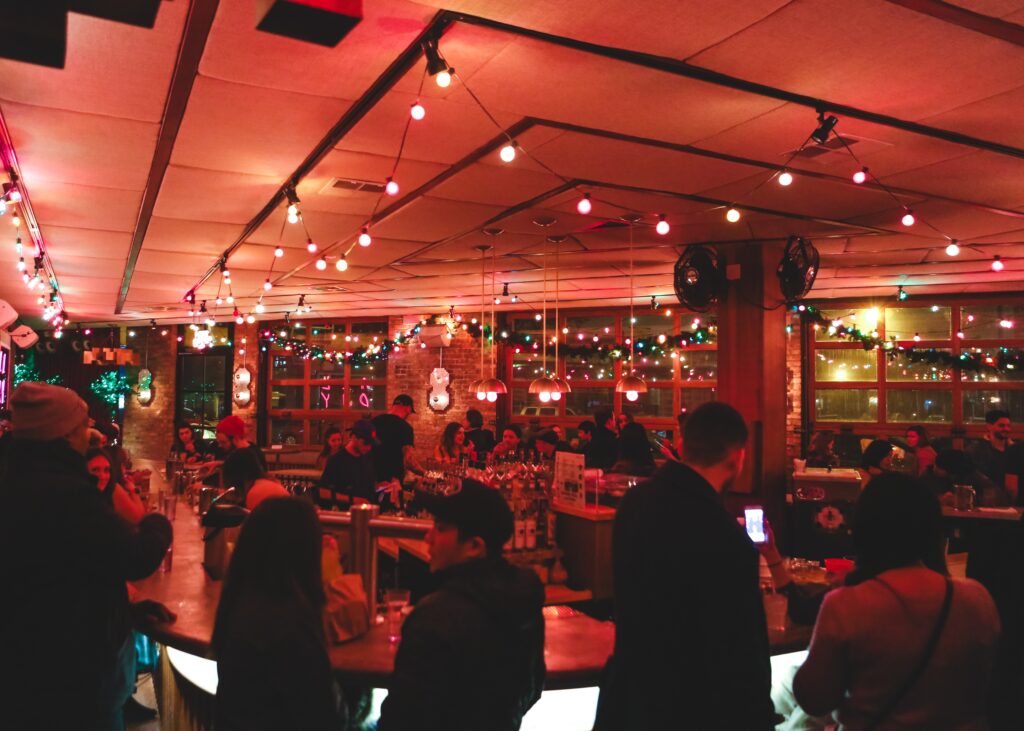
Sydney has fundamentally changed the way it approaches life after dark. What began as a strategy to draw crowds during the cooler months has evolved into a permanent blueprint for night-time commerce. Integrating large-scale public art, local food vendors, and music into the streets proves that cultural programming acts as a serious economic driver.
By blending civic creativity with hospitality, the city demonstrates how to sustain local enterprise after standard trading hours end. This framework offers valuable insights for growing municipalities across Australia. Coastal communities, from the Mornington Peninsula to regional seaside towns, can observe how structured evening activations prevent commercial districts from emptying out at dusk.
A blueprint for coastal commerce
According to researchers at Arup in their report on town centre regeneration, periodic lighting and cultural festivals directly increase community dwell time and maximise annual revenue. When public spaces feature engaging installations, pedestrians naturally choose to linger outdoors. This behavioural shift directs consistent foot traffic toward nearby dining rooms, wine bars, and independent retail spaces.
The financial ripple effect extends far beyond the immediate footprint of a large event. The NSW Government‘s 24-Hour Economy Strategy details how cultural initiatives must integrate with night-time business throughout the entire calendar year. The strategy encourages institutions to stagger their opening hours and collaborate on late-night programming.
When a regional gallery or civic centre stays open late, the surrounding cafes, transport networks, and public squares immediately benefit. Regional towns can apply this logic by coordinating art trails or twilight markets with existing local businesses. This creates a seamless pathway for visitors to spend money within the local economy.
Sustaining the momentum
Scale and accessibility remain central to this economic success. Creating extensive walking routes disperses crowds and spreads consumer spending across multiple adjacent neighbourhoods. As Steve Kamper, Minister for Jobs and Tourism, highlighted in a statement to Travel Trade Journal, making cultural experiences free to access delivers a massive financial boost to surrounding operators. Removing financial barriers to entry encourages a broader demographic to participate in the evening economy on a regular basis.
For regions looking to build resilience in their local commerce, the core takeaway is clear. Developing a successful night-time economy requires much more than just extending hospitality licences. It demands a thoughtful intersection of public art, well-lit spaces, and unified local business strategies.
When local councils and private enterprises collaborate to activate their streets, they do more than entertain visitors. They create safer, highly engaged communities that support long-term commercial stability. The success of Sydney’s after-dark evolution proves that community life does not have to pause when the sun goes down.