
A shift in the soil
The rolling elevations of the Adelaide Hills produce some of the most compelling agricultural exports nationwide. Within this high-altitude landscape, a distinct pocket of innovation exists around the Basket Range. Writing for Wine Enthusiast, journalist Christina Pickard notes that this subregion is widely considered the modern birthplace of the minimal-intervention approach in Australia.
Here, a dedicated collective of independent makers focuses entirely on organic viticulture. They swap industrial machinery and chemical additions for wild fermentation, producing bottles that reflect the climate with uncompromising clarity. Decades ago, Australian production was largely defined by massive yields.
Today, a new generation proves that stepping back often yields the most sophisticated results. This pivot towards agricultural purity requires immense skill and a willingness to embrace unpredictability. For producers in the region, the process begins long before the harvest and relies on an intimate understanding of the vine.
Patience in the cellar
Writing for Gourmet Traveller, wine expert Max Allen notes that early pioneers like James Erskine of Jauma realised they wanted to step away from using sulphur dioxide completely. Erskine discovered that natural carbon dioxide could act as a perfect preservative for specific styles.
Instead of forcing a specific flavour profile through additives, these winemakers allow native yeasts to guide the fermentation process. The resulting profiles are earthy, textured, and entirely unique to their specific plot of land. This philosophy extends far beyond the cellar and deep into the soil itself.
Independent winemakers champion biodiversity, dry-farming, and organic principles to build natural resilience in their vines. According to industry reports by Wine Australia, influential figures like Anton van Klopper have become central to this shift, inspiring makers nationwide to adopt minimal-intervention techniques.
A national shift in taste
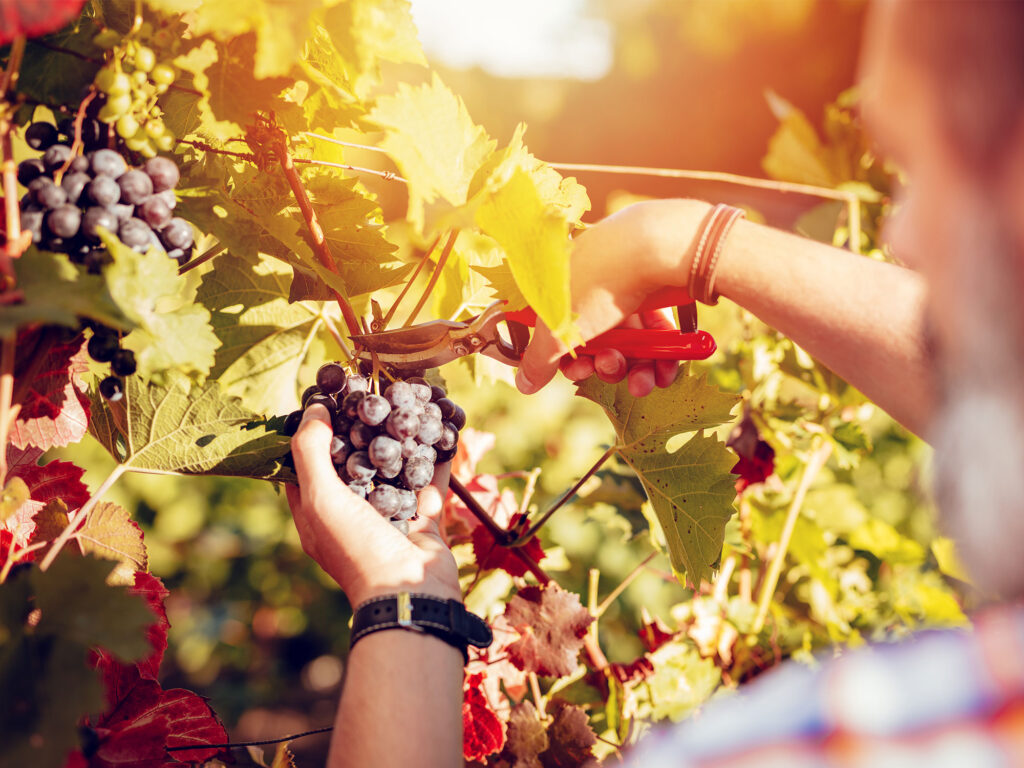
They prioritise soil health over massive yields, a practice that produces lower volumes but vastly superior character. It is a highly laborious method that trades conventional convenience for long-term ecological balance. Workers harvest the fruit by hand, ensuring only the healthiest bunches make it into the press.
While these stylistic origins belong to South Australia, the impact of this philosophy actively shapes hospitality across the nation. Coastal regions with a similar appreciation for premium agriculture, including the Mornington Peninsula, quickly embraced these cloudy and complex pours.
High-end dining rooms and independent bottle shops on the Mornington Peninsula now feature these selections prominently alongside traditional cool-climate varieties. The movement proves that contemporary consumers are happy to pay upwards of 45 dollars for a standard 750 ml bottle if it promises genuine authenticity.
By removing the synthetic elements of commercial production, these artisans offer a pure, unadulterated taste of the landscape. Buyers increasingly want to know exactly what goes into their glass. Ultimately, embracing low-intervention practices ensures the longevity of the land for future generations.