The pursuit of sustainable fashion unites communities across Australia, from coastal retreats to busy urban streets. For residents of the Mornington Peninsula, the vintage clothing scene in Melbourne offers profound inspiration for intentional living. In the northern suburbs of Fitzroy and Brunswick, secondhand shopping is not merely a commercial transaction, but rather a dedicated pursuit of quality, history, and environmental responsibility.
According to Declan May of Hypebeast, stylist Paris Wycherley treats the search for secondhand items across Melbourne as an absolute sport. Wycherley notes that local style prioritises individuality over mainstream labels, a philosophy that resonates deeply with the slow living ethos found throughout the Mornington Peninsula. Shoppers are actively rejecting commercial garments in favour of unique, preloved pieces that tell a distinct story.
Navigating the vintage circuit
The streets of Fitzroy and Brunswick contain countless racks of curated fashion history. Retailers focus heavily on ethical consumption and keeping garments out of local landfills. As reported by the Sitchu Team for Sitchu, stores like Vintage Sole provide an ethical alternative to fast fashion by offering quality, carefully selected clothing from around the world.
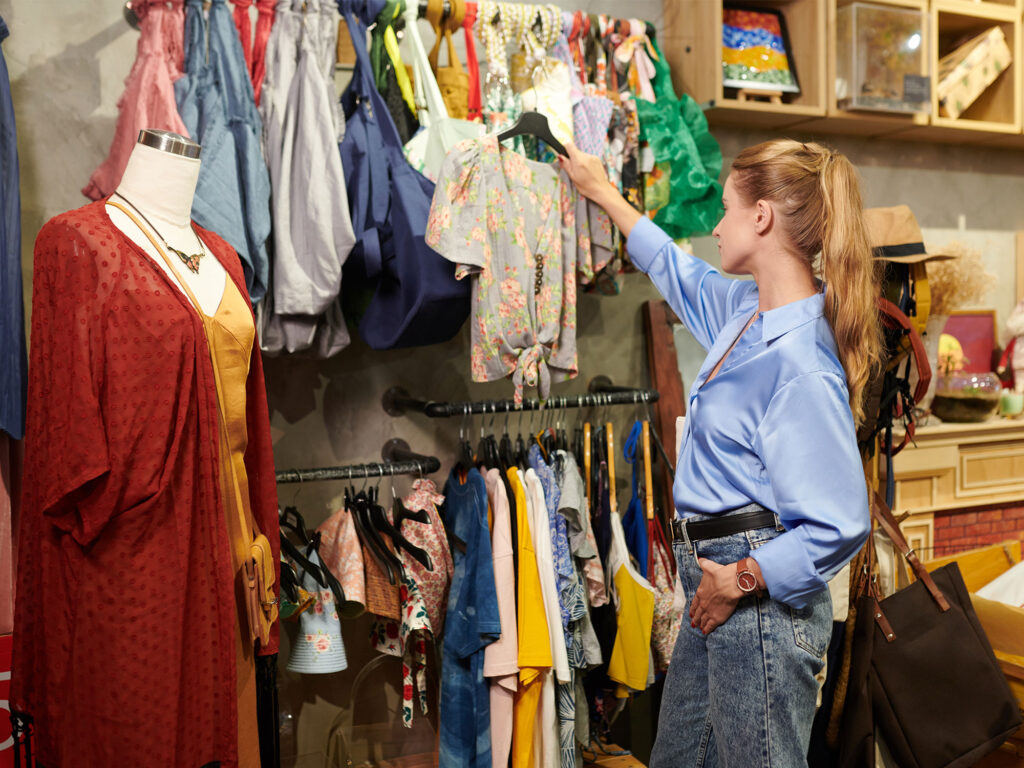
The thrifting process requires patience, dedication, and a discerning eye. Dedicated buyers sift through dense racks at expansive venues like the Lost and Found Market to uncover garments that stand the test of time. Coastal residents often make the journey north to source sturdy denim, heavy woollen knits, and breathable linens that perfectly suit the unpredictable seaside climate.
Beyond simple aesthetics, the search for vintage clothing fosters a deep sense of community among like minded individuals. Shop owners frequently share the rich backstories of specific garments, turning a simple purchase into a meaningful exchange of local history. This relational approach to retail mirrors the close knit community dynamics commonly experienced in Mornington Peninsula villages.
A blueprint for sustainable style
Building a wardrobe from reclaimed pieces encourages a more thoughtful approach to daily dressing. When consumers spend 50 dollars on a vintage wool jumper rather than a synthetic alternative, they actively reduce their personal environmental footprint. This deliberate shift towards circular fashion aligns seamlessly with the land conservation values championed by Mornington Peninsula locals.
According to a guide published by Insider Guides, the best thrifting locations are well worth travelling for, making the 75 kilometre journey an integral part of the overall experience. By approaching fashion with an open mind, buyers learn to appreciate the superior craftsmanship of earlier eras. Modern clothing rarely matches the durability and careful construction found in garments from previous decades.
The vintage hunters of Melbourne demonstrate that true style relies on creativity rather than continuous consumption. Their dedication to mindful purchasing provides a practical roadmap for anyone looking to step away from the fast fashion cycle. This timeless approach to personal dressing offers a sustainable path forward for communities everywhere.