
A shift in urban priorities
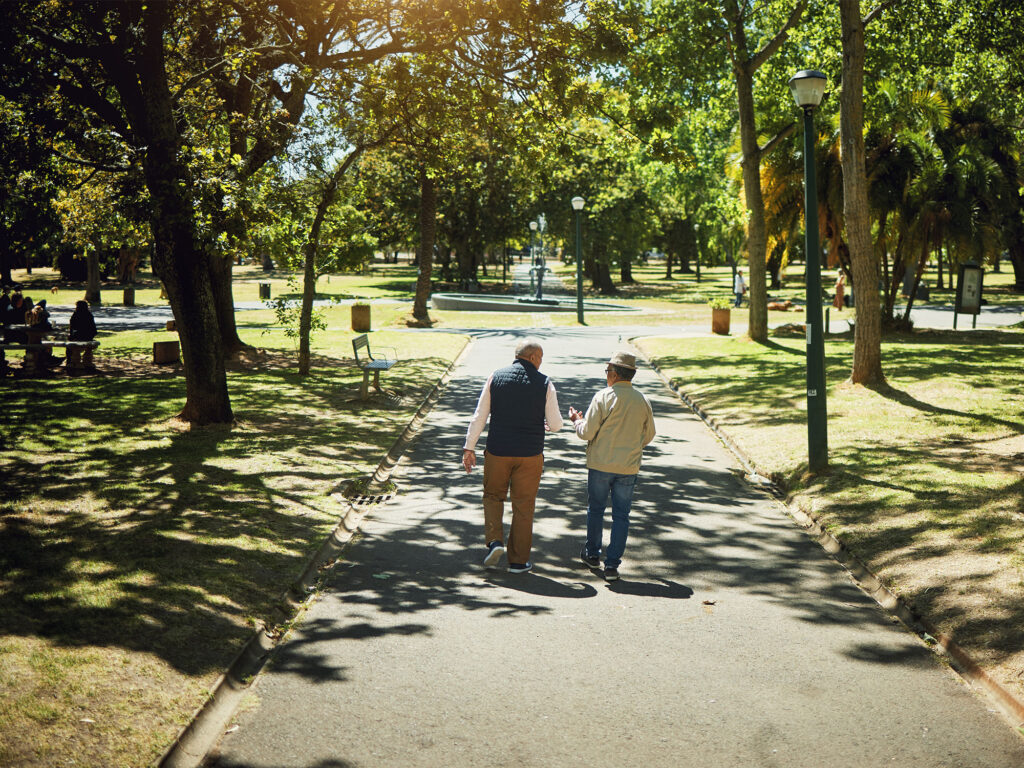
Urban planning across Australia is experiencing a quiet revolution as planners and residents alike turn away from sprawling suburbs and car-dependent commutes. The focus is instead shifting toward the 20-minute neighbourhood. This concept advocates for a community design where daily necessities are easily accessible within a comfortable walking distance of 800 metres from home.
Adelaide offers a compelling blueprint for this transition through a comprehensive framework published by the Government of South Australia, known as the 30-Year Plan for Greater Adelaide. This ambitious policy prioritises walkable communities over unchecked outward expansion. By focusing on smart infill development and highly accessible infrastructure, the South Australian capital provides valuable lessons for growing regions.
According to urban researcher Dr Michael McGreevy of Flinders University, transitioning established, low-density areas into walkable spaces is entirely feasible without overwhelming high-rise development. His research highlights that small-scale urban adjustments, such as upgrading pedestrian pathways and expanding cycle routes, can drastically improve local accessibility. Integrating local mixed-use commercial spaces into residential zones makes an immediate, tangible difference to daily life.
Health and community connection
The benefits of this design philosophy extend far beyond mere convenience, as research led by Professor Fran Baum at the Southgate Institute demonstrates that neighbourhood walkability directly impacts population health and social equity. Residents in highly walkable areas tend to experience better physical health and naturally build stronger social connections. People encounter their neighbours much more frequently when walking to the local greengrocer or accompanying children to school.
These universal principles resonate deeply in premium coastal and peri-urban locations, particularly areas like the Mornington Peninsula. As populations continue to grow in these highly sought-after regions, preserving a relaxed and connected lifestyle requires deliberate, forward-thinking planning. Ensuring that all new developments feature connected pedestrian networks and central community gathering spaces helps maintain a strong sense of local identity and environmental stewardship.
Sustainable growth for the future
Economic resilience remains another crucial outcome of the 20-minute residential model, as local economies naturally thrive when residents can easily reach nearby businesses on foot. According to neighbourhood design guidelines published by the Heart Foundation of Australia, creating compact and connected communities ensures that independent shops, cafes, and health services remain financially viable. This structured focus on local commerce effectively protects small businesses from the competitive pressures of large, distant retail complexes.
Future urban growth relies heavily on adopting this highly localised mindset across both city centres and regional landscapes. The 20-minute neighbourhood represents a fundamental shift toward sustainable, human-centric living. Designing towns and suburbs for people rather than automobiles ensures that Australian communities remain healthy, connected, and enduringly desirable for many generations.